Unplugged Wedding Ceremony: What You Should Know
WEDDING PLANNING / THE CEREMONY
Unplugged Wedding Ceremony: Should Guests Put Their Phones Away?
A photographer's perspective on guest phones, ceremony photographs, and the moments worth thinking about before you walk down the aisle.
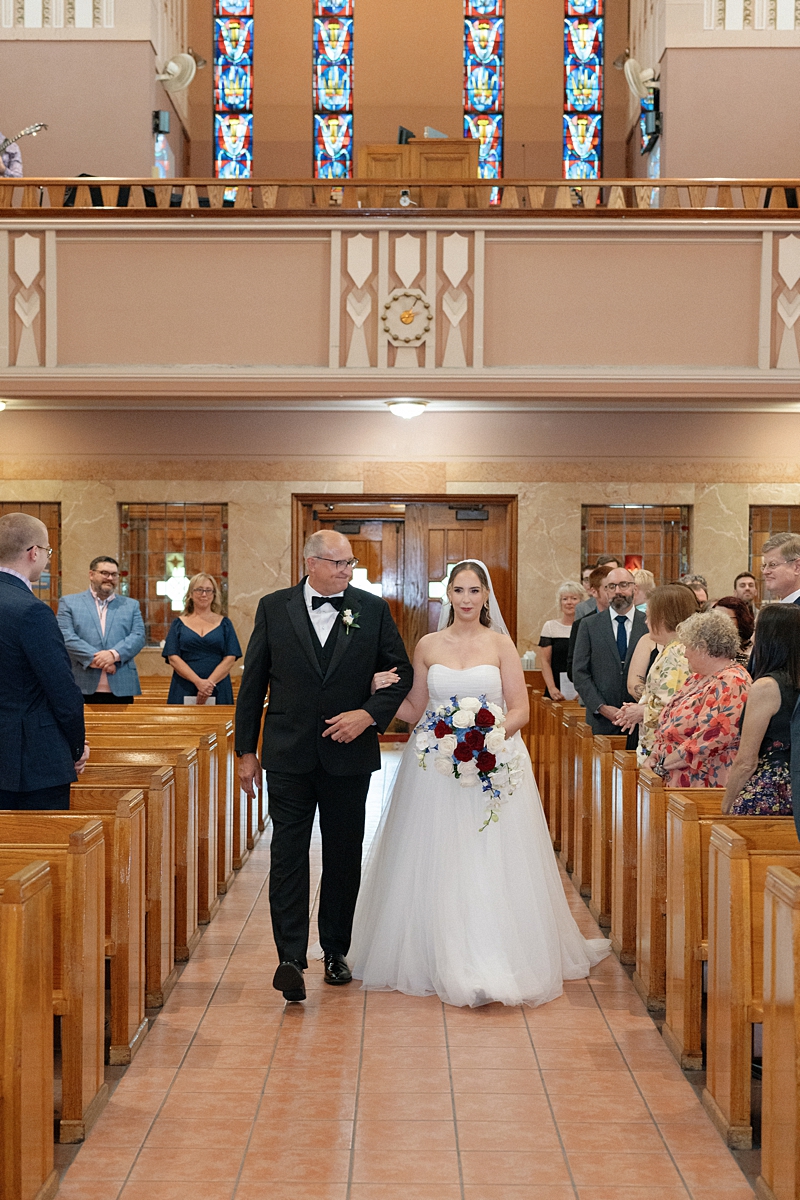
You're walking down the aisle. Everyone turns. Your partner sees you. And somewhere in the front row, someone raises an iPhone.
Maybe it never crosses your mind. Maybe it's the one thing you were hoping to avoid.
That's why couples consider an unplugged wedding ceremony, where guests are asked to put away their phones and cameras while the ceremony happens.
As a photographer, I understand the appeal. Clear sightlines make a difference, especially during moments that happen once.
But I've also seen how much people value the photographs their friends and family take.
So before you order a sign or add another rule to your wedding website, here's what I think is worth considering.
THE REAL QUESTION
What do you actually want to protect?
Your photographs? Your guests' attention? The privacy of the ceremony? Maybe all three.
Knowing what matters most makes the decision much easier.
01
What Changes in Your Wedding Ceremony Photos?
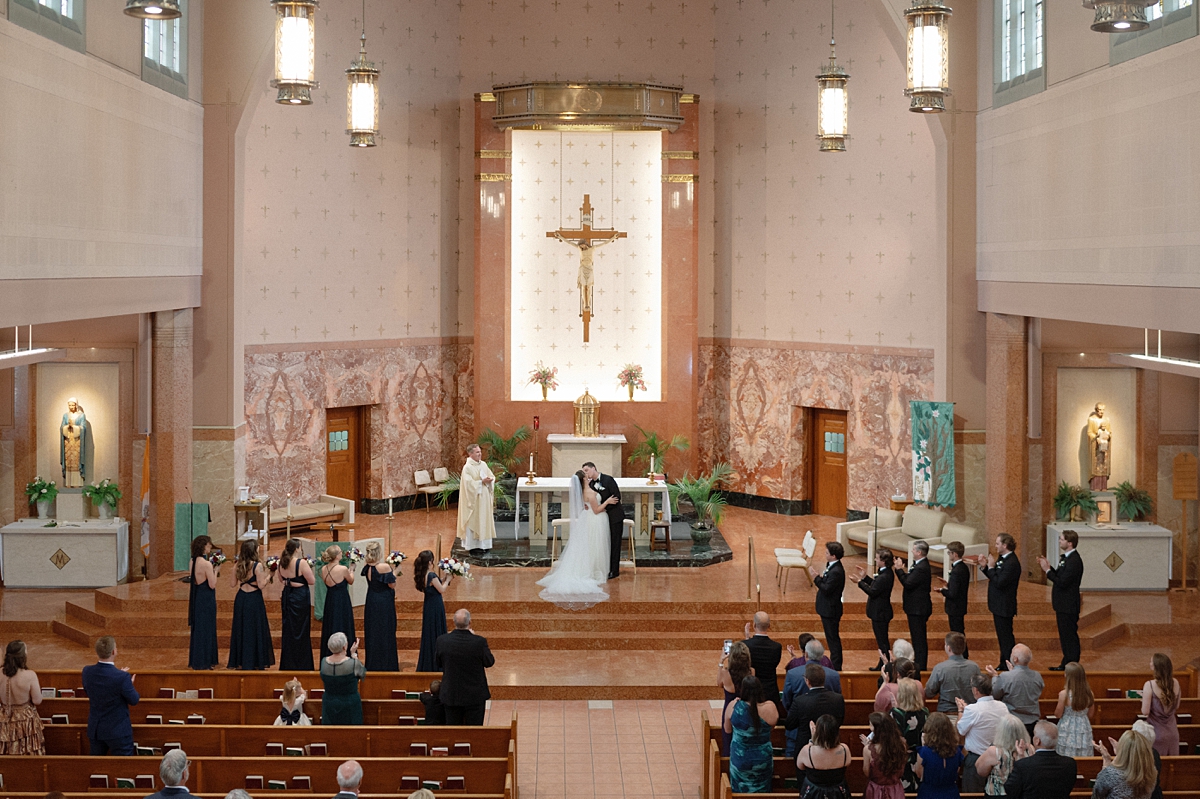
There is a difference between someone quietly taking a photograph from their seat and a guest leaning into the aisle to get a better angle.
The second can interfere with the photographs you're paying a professional to capture.
During the processional, I'm watching more than the person walking toward the ceremony.
I'm paying attention to expressions, the people sitting closest to the aisle, the architecture, the light, and the reaction waiting at the end.
When someone steps into that space with a phone, it can block an important part of the frame.
Sometimes I can adjust my position. Other moments happen too quickly for another angle.
And there's another detail couples often forget: their guests' faces are part of the photographs too.
02
What You Might Miss Without Guest Cameras
Here's the other side.
Your photographer can capture you walking down the aisle with your dad.
A photograph can show his expression, the way you're holding his arm, and the room around you.
But it can't play back what he said.
It can't reproduce the sound of the strings during your entrance or let you hear your vows.
If those things matter to you, plan for video before deciding that every guest should put their phone away.
A professional videographer is the strongest option when you want intentional coverage, clear audio, and a finished film.
If video isn't part of your plans, you could ask one trusted person to record from an approved seat without entering the aisle.
That arrangement should be discussed with your venue and photography team beforehand.
03
Three Ways to Handle Phones During Your Ceremony
Planning an unplugged wedding ceremony doesn't have to mean banning every phone. You have a few ways to approach it.
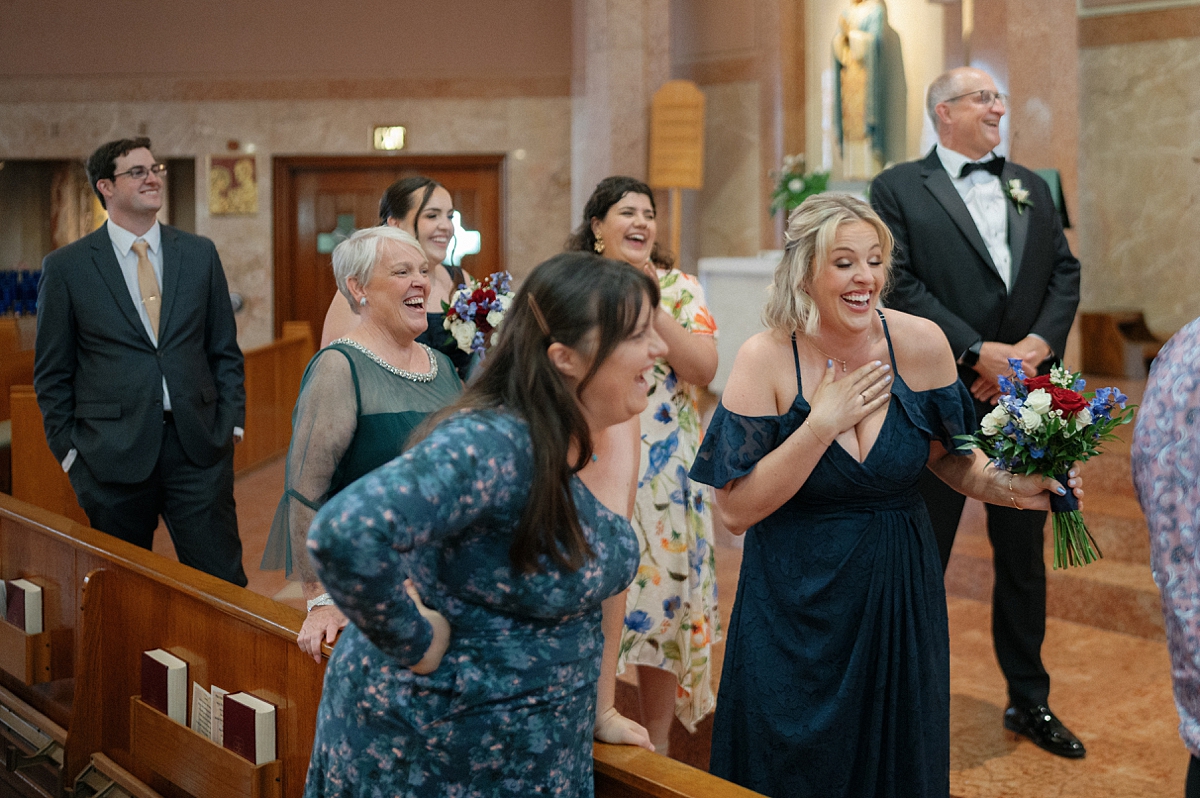
The right choice depends on your priorities, your ceremony location, and the coverage you've arranged.
04
Decide How You Want Your Ceremony Recorded
This is a conversation worth having before the wedding week.
Think about what you'll want to revisit years from now.
Is it the sound of your vows? Your partner's reaction? The live music? Your family watching from the first row?
Professional photography can preserve the visual parts of those moments.
If hearing them again matters, arrange video coverage that fits your plans.
Even with two photographers, still images serve a different purpose than a recording.
05
How to Ask Guests to Put Their Phones Away
You can make the request without turning it into a lecture.
A short announcement before the processional is usually more useful than relying on signage alone.
Your officiant can say something like this:
SAMPLE CEREMONY ANNOUNCEMENT
"Before we begin, the couple asks that everyone silence and put away their phones for the ceremony. Their photography team will be documenting everything, and you're welcome to take your own photos once the ceremony has finished. Thank you!"
Simple. Clear. Done.
If you're allowing seated photography instead, change the wording to explain that guests should remain seated and keep the aisle clear.
Your wedding planner can help coordinate the announcement with the officiant.
06
Make Sure Your Vendors Know the Plan
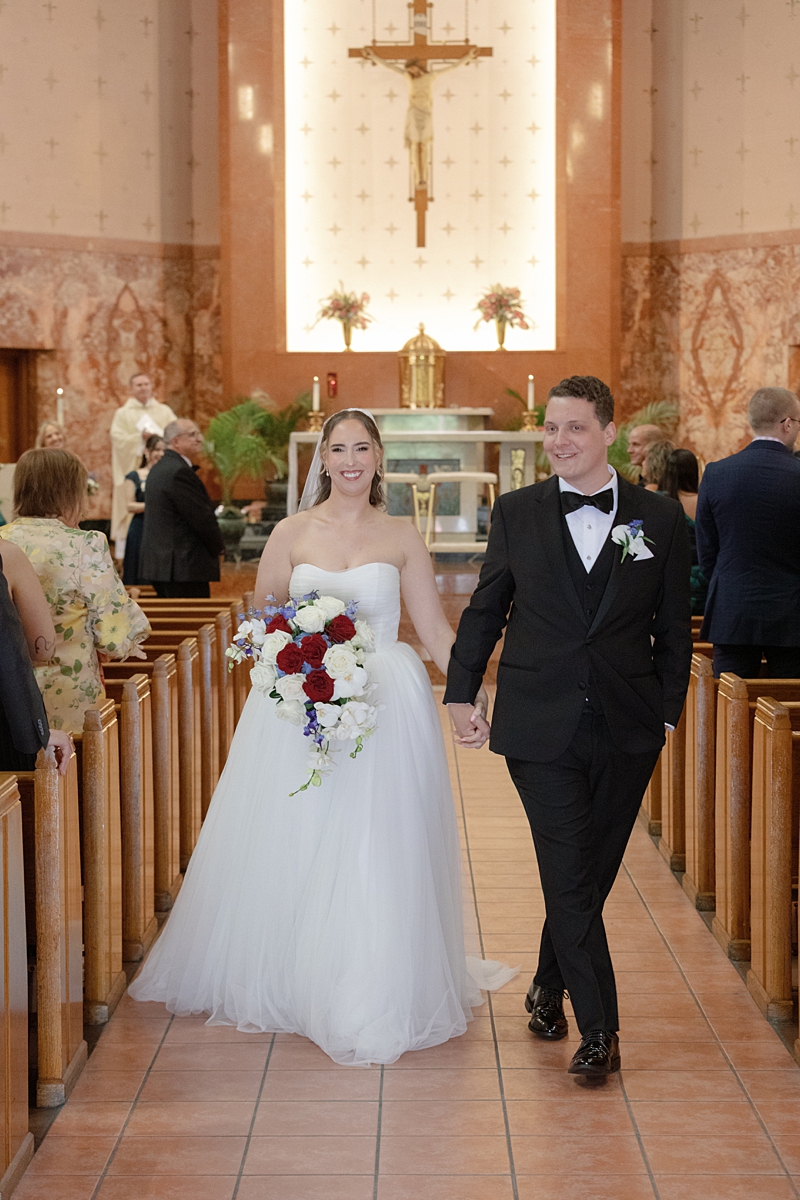
If you're planning an unplugged wedding ceremony, your planner, officiant, photographer, and videographer should all understand the expectations beforehand.
Confirm when the announcement will happen, whether anyone has permission to record, and where that person can sit.
If you're getting married in a church, ask about its photography and video rules. Some ceremony locations have specific restrictions on movement and equipment.
Also separate two decisions that often get grouped together:
Taking a photograph during the ceremony and posting it online are different things.
You can welcome guest photography while asking everyone to wait before sharing images publicly.
A clear plan beforehand keeps those decisions off your plate once the ceremony begins.
For more on sharing wedding photographs, Brides covers social media etiquette for wedding guests, including when to post and how to respect the couple's preferences.
07
After the Ceremony, Let the Cameras Come Back Out

Personally, I think there's something pretty great about the photographs your friends take throughout the reception.
The slightly chaotic group pictures. Someone's view from the dinner table. A blurry dance floor photo that somehow ends up being everyone's favorite.
Those images have a different job than your professional wedding photographs.
Your guests are seeing the celebration through their own relationships with you.
If you want those perspectives, consider creating a shared photo album or providing a QR code where guests can upload photographs after the wedding.
You can protect your ceremony coverage and still collect hundreds of little moments from the rest of the celebration.
FROM BEHIND THE CAMERA
What I Recommend
For most weddings, I lean toward keeping phones away during the ceremony.
It gives your photography team clear sightlines and lets the people you invited watch what's happening in front of them.
If having a recording matters, arrange that separately. A videographer or an agreed-upon guest recording can preserve the parts still photographs can't.
Once the ceremony ends, I'm all for everyone pulling their phones back out.
Your friends' photographs can exist alongside the professional gallery. They bring something different to it.
THE QUESTIONS
A Few Things Worth Knowing
What is an unplugged wedding ceremony?
An unplugged wedding ceremony is one where guests are asked to put away personal cameras and phones while the ceremony takes place.
Should wedding guests take photos during the ceremony?
That depends on the couple's preferences. Some welcome guest photographs from seats, while others prefer professional coverage without additional cameras.
Do I need an unplugged wedding sign?
A sign can reinforce your preference, but an officiant announcement is often more direct. Using both can make expectations clearer.
What if we want ceremony video without hiring a videographer?
Consider arranging a recording with one trusted guest, subject to your venue's rules and your photography team's positioning. Guest footage is useful, but results aren't guaranteed.
ONE LAST THING
Make the Decision Before the Music Starts.
Your ceremony moves quickly.
Once you're standing there, you should be thinking about the person across from you, not whether someone in the third row is recording.
Decide what you want captured. Make sure your vendors have a clear plan. Tell your guests what to expect.
Then enjoy the part you spent all this time planning.
ST. LOUIS + DESTINATIONS
Ready When You Are.
Planning a wedding in St. Louis or beyond? I help couples think through photography decisions before the wedding, then handle the direction and coverage when the day arrives.