Wedding Photography Timeline: How Much Time Do You Need?
WEDDING PLANNING
Wedding Photography Timeline: How Much Time Do You Actually Need?
Enough room to create photographs you care about. Not so much that your wedding starts revolving around the camera.
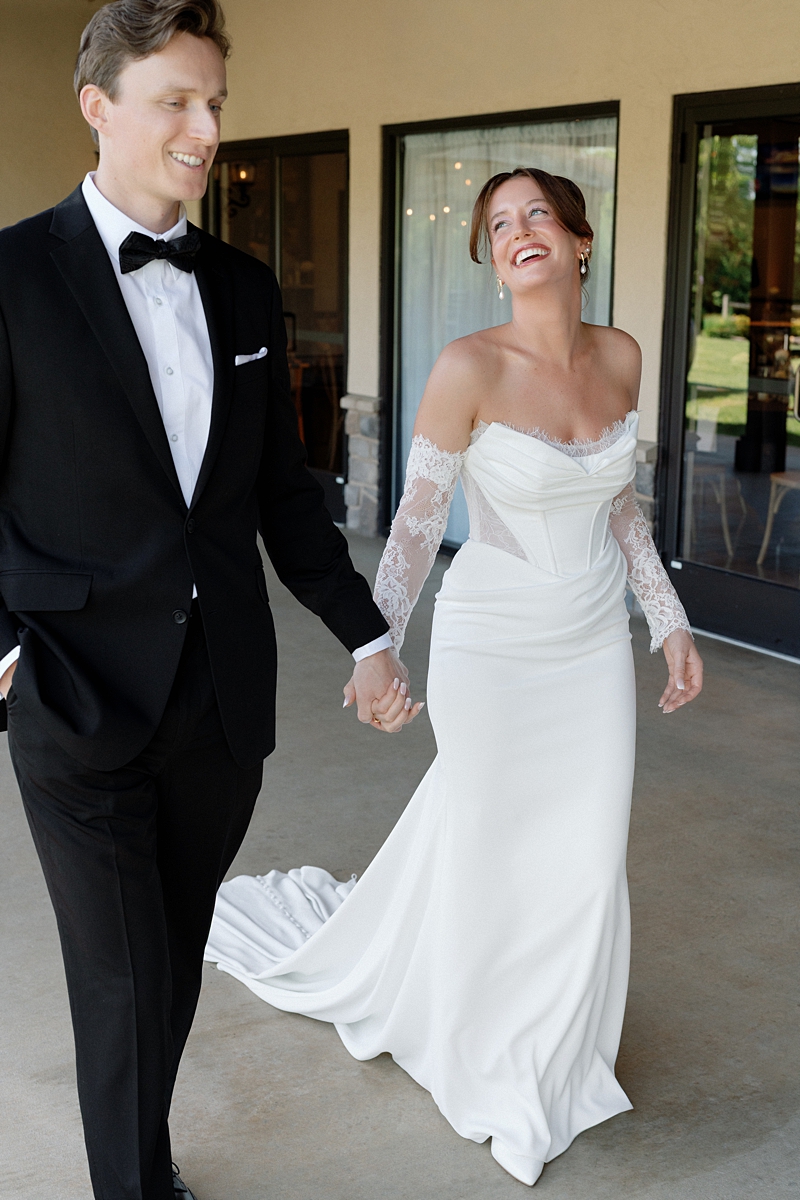
One of the first questions couples ask when we start talking through their wedding is how much time they actually need for photographs.
Usually, the concern underneath that question is pretty simple.
They want beautiful portraits without disappearing for half the celebration.
That is completely possible.
The part people rarely realize is that photography time and timeline time are not always the same thing.
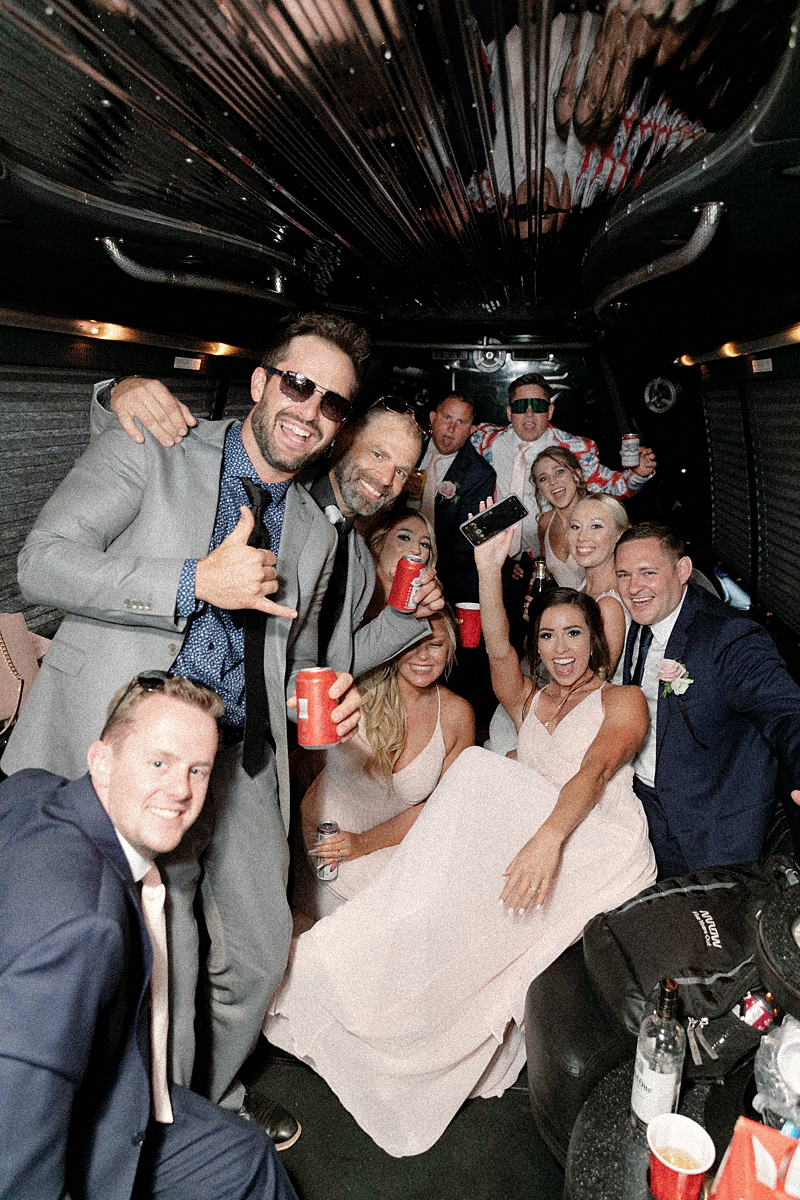
Thirty minutes of portraits might require getting twelve people onto a trolley, driving across town, finding parking, unloading everyone, walking to the spot, getting organized, photographing, then doing the whole process again on the way back.
Suddenly, thirty minutes in front of the camera takes much more space on the schedule.
A wedding photography timeline is really about understanding all of those moving pieces before the wedding begins.
The goal is not more photo time. It is knowing how much time the whole process actually takes.
01
Your Photography Timeline Starts Before I Pick Up a Camera
This is one of the biggest parts of my job that never appears in the final photographs.
I help build your wedding photography timeline around the ceremony, reception, portrait locations, family combinations, wedding party, transportation, light, and whatever matters most to you.
We talk through where you want to go and whether those locations actually make sense inside the time available.
If I have not photographed at a venue before, I coordinate with the venue, learn the space, and think through where we can work before the wedding.
I want to know where the best light is, which spaces are available, what restrictions exist, and what our backup options look like.
Your planner is looking at the event as a whole.
I am looking closely at how photography fits inside that plan so portraits do not quietly take over everything else you spent months planning.
02
How Much Photography Time Does Each Part of the Day Need?
When couples ask how long wedding photos take, they are usually thinking about portraits.
I am thinking about the entire day.
Getting ready, travel, ceremony, portraits, cocktail hour, reception design, family photographs, sunset, and the reception itself all need enough room to work without making the schedule feel packed.
The important part: photographing time and timeline time are not always the same thing. Travel, loading transportation, parking, walking, gathering people, and transitions have to be accounted for separately.
Good detail photographs take time. I am photographing stationery, jewelry, rings, fashion, personal pieces, the room, candid moments, and the process of getting dressed rather than rushing through a few objects in ten minutes.
This begins once both people are in place. Getting everyone positioned without accidentally seeing each other happens before the first look itself.
This is photographing time once we arrive. Driving, loading the trolley or transportation, parking, unloading, walking, regrouping, and getting back to the next event all need additional room on the schedule.
This works when everyone is together and ready. If the wedding party is traveling somewhere else for photographs, that transition gets its own time around this block.
Ceremony coverage is continuous. A short outdoor ceremony and a full church service require very different amounts of time, so this gets built around the ceremony you are actually having.
Timing depends on the number of combinations, family dynamics, and whether everyone is already nearby when photographs begin.
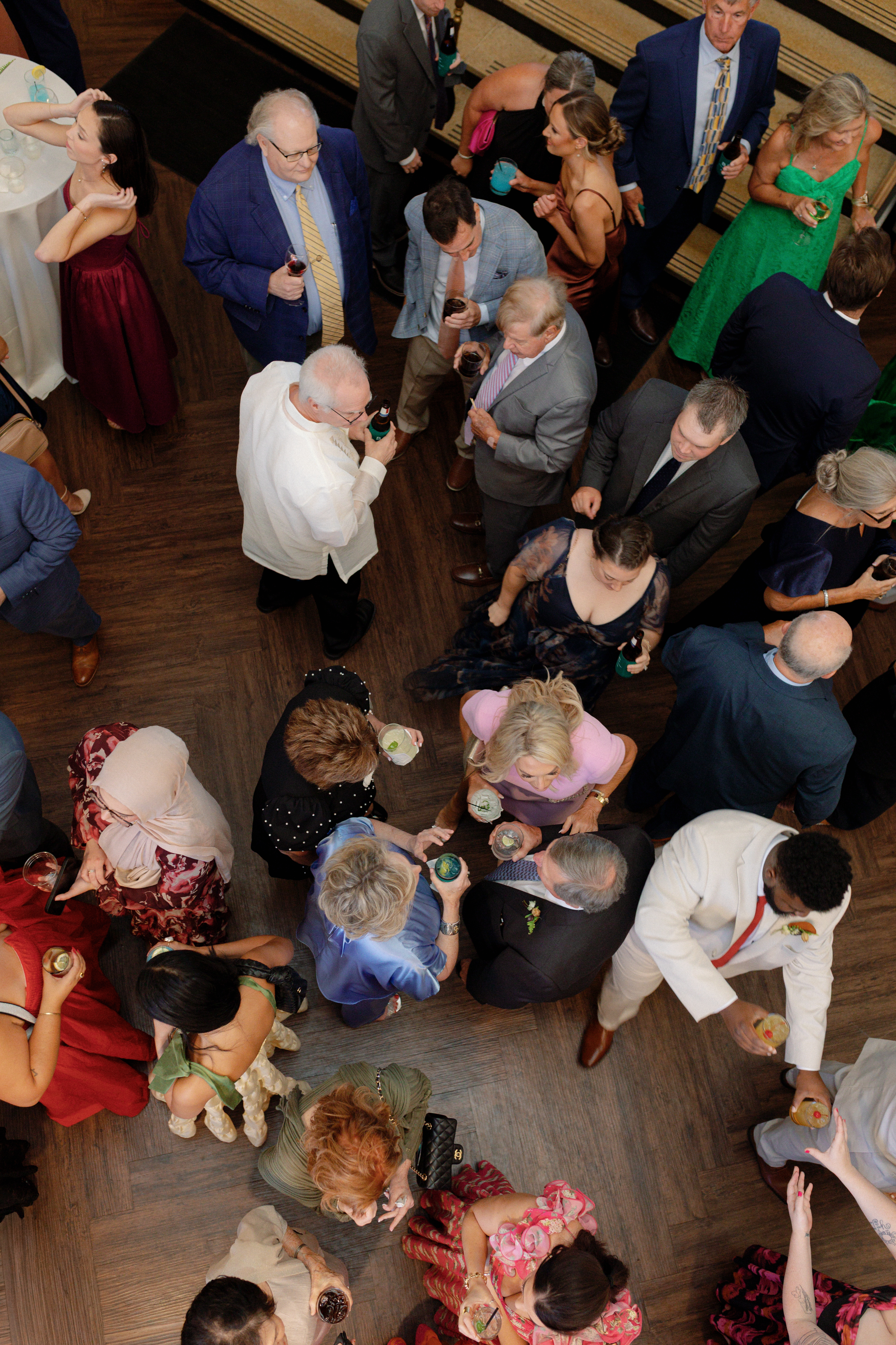
This is one of my favorite times for candid coverage because people are greeting each other, grabbing drinks, and settling into the reception. Depending on the timeline, my second photographer may be photographing this while I photograph the reception room, remaining family combinations, or a few portraits during part of this window.
The room needs to be finished before guests enter. I coordinate around planner, floral, catering, rental, and venue timing so I can photograph the design before jackets, bags, glasses, and people change the space.
This includes getting the two of you away from whatever is happening, moving to the right location, making the photographs, and getting you back. The actual portrait portion may be shorter than the block we protect.
For most weddings, this gives me time to photograph entrances, dinner, toasts, formal dances, cake or dessert, and enough of the dance floor to show what the party actually looked like. Coverage can extend later when a couple wants the final dance, a late-night event, or the end of the reception documented.
These are working ranges, not a template I expect every couple to copy.
A wedding at one property moves completely differently from a day involving a hotel, church, trolley, portrait stop, cocktail hour, and ballroom reception.
That is why I build the photography schedule around the actual logistics instead of handing every couple the same timeline.
03
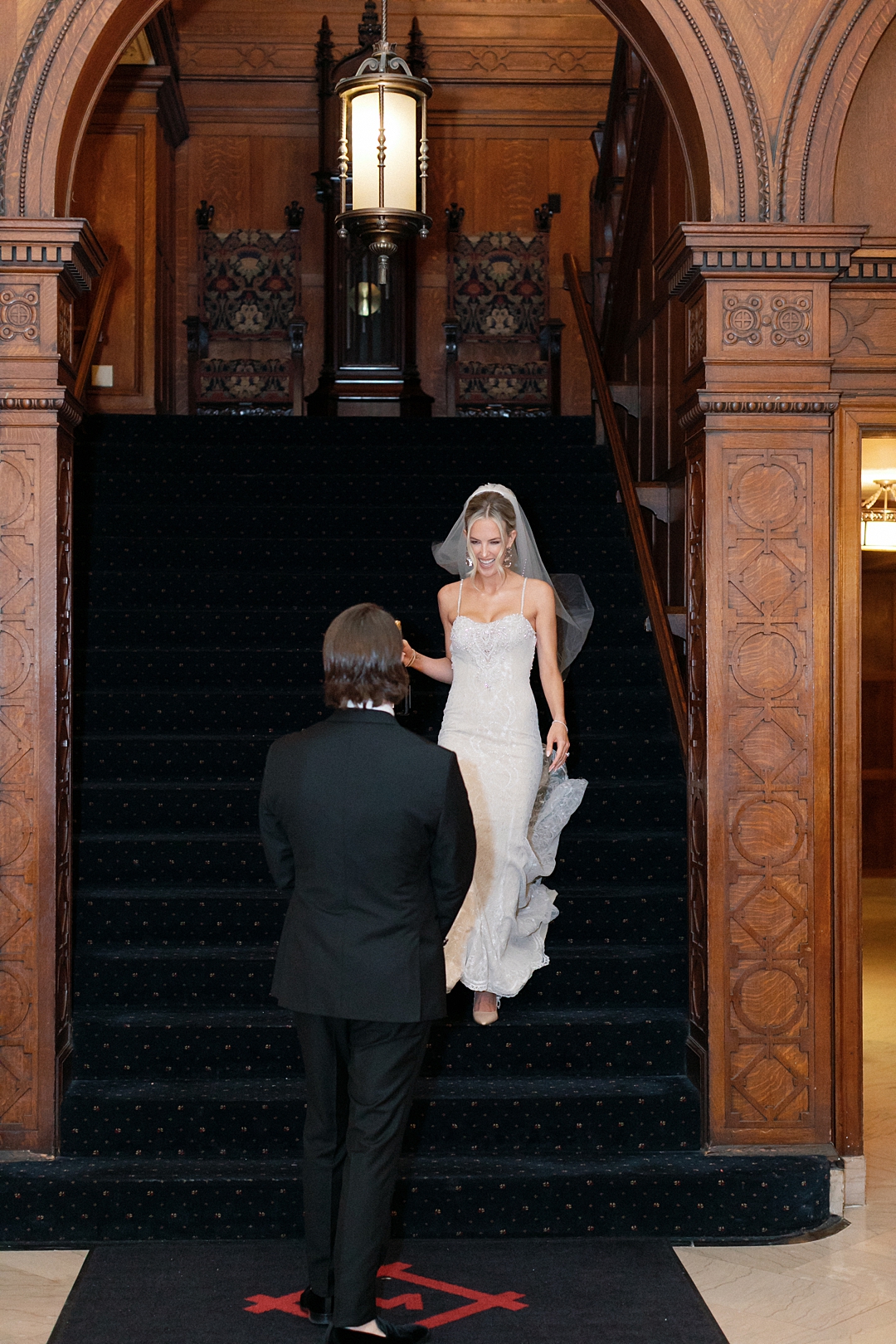
A First Look Changes the Schedule More Than the Photograph
I do not think every couple needs a first look.
If seeing each other for the first time at the ceremony matters to you, keep it that way.
What a first look does extremely well is move other photography earlier.
We can often photograph the two of you, the wedding party, and some or all immediate-family combinations before guests arrive.
Then the ceremony ends without an enormous photography block standing between you and cocktail hour.
That can be especially useful when spending time with guests is one of your priorities.
04
You Do Not Need Five Portrait Locations
More locations do not automatically give you more variety.
Sometimes they mostly give you more transportation.
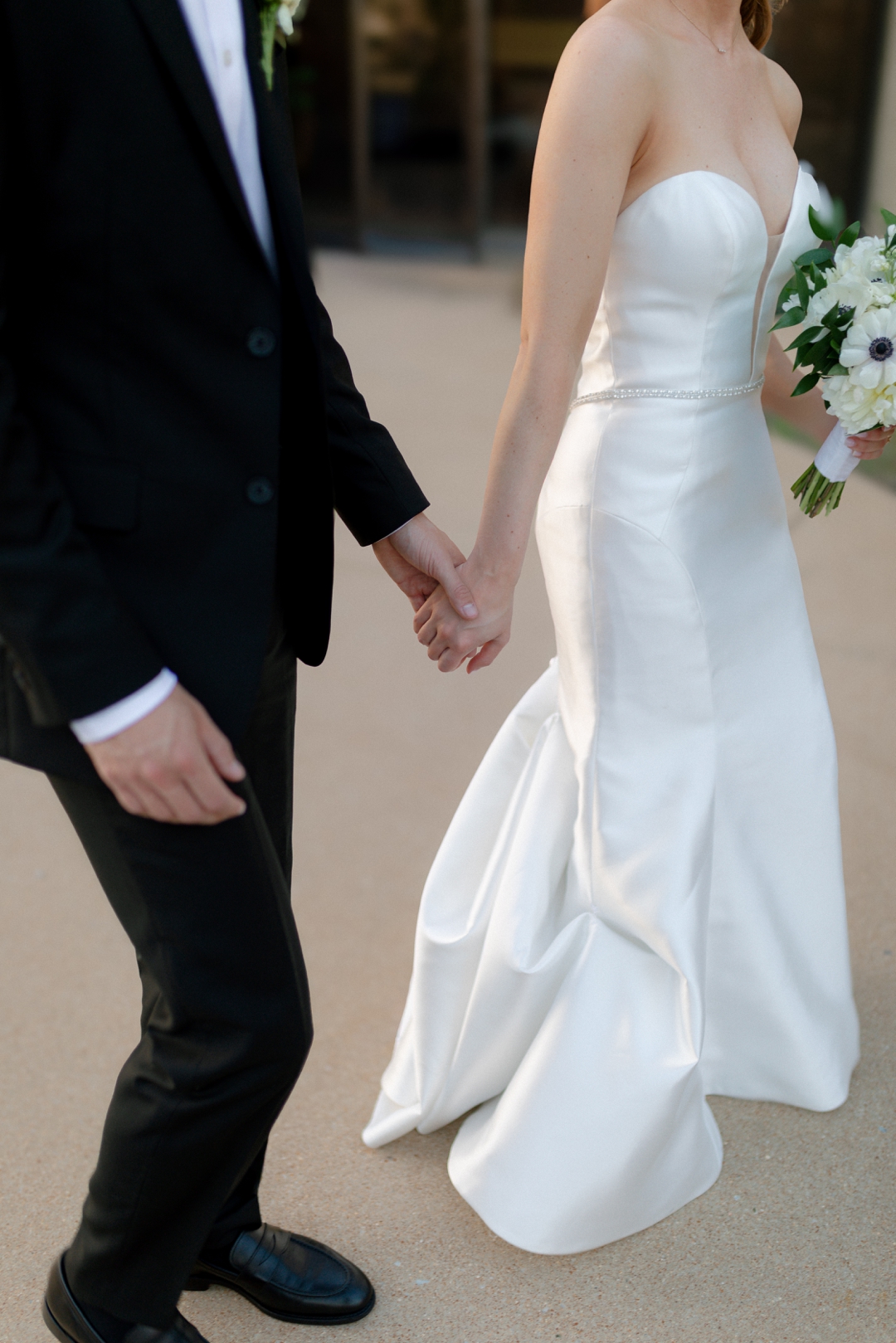
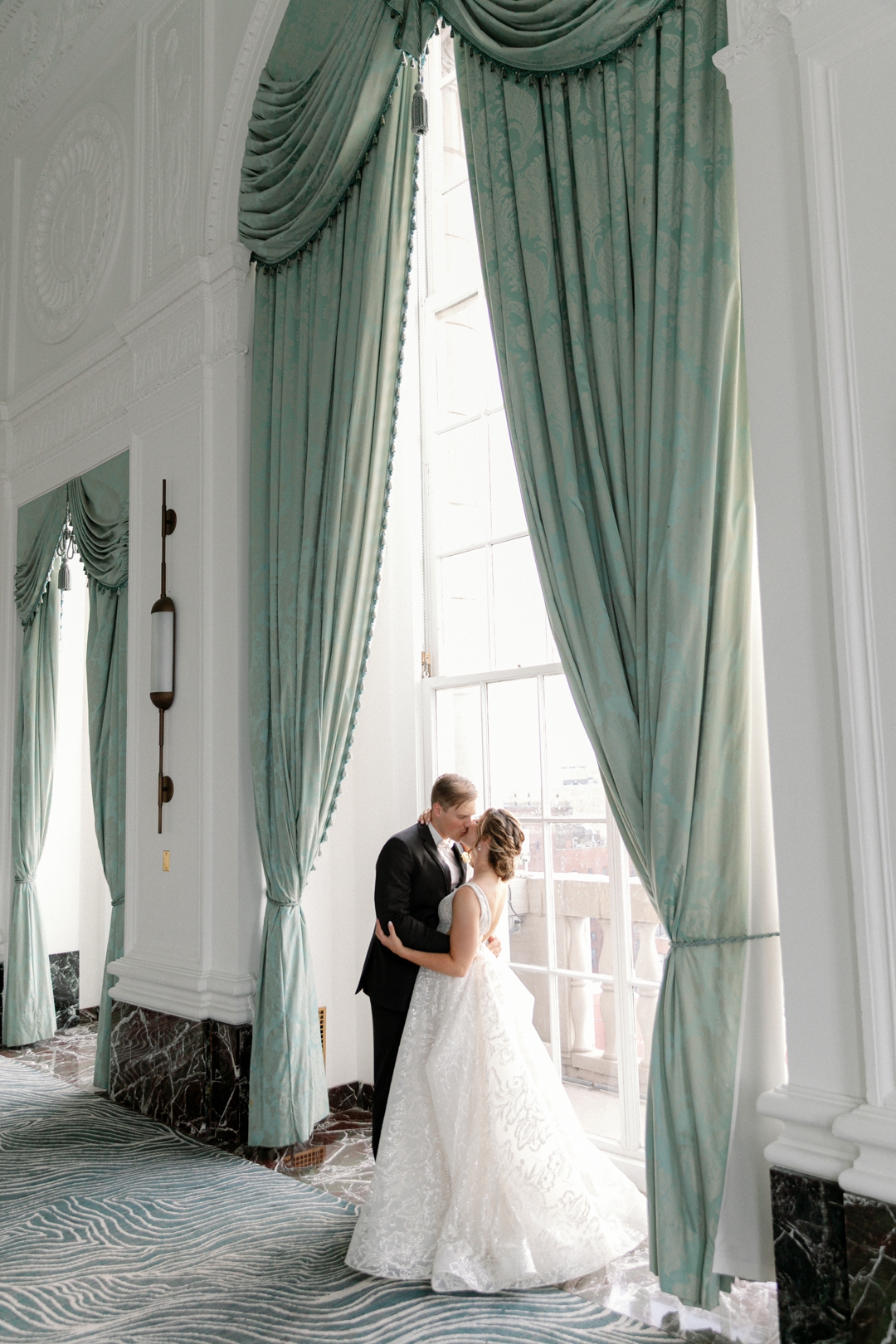
One strong area with architecture, good light, texture, and enough room to move can create completely different photographs without putting everyone back onto the trolley every fifteen minutes.
I would rather have forty calm minutes somewhere worth using than rush through three locations because they looked good on a Pinterest board.
This is why location planning and timeline building happen together.
05
Travel Time Is Not Just Drive Time
This is probably the most common timeline mistake I see.
Google says the portrait location is twelve minutes away, so twelve minutes gets added to the schedule.
That is rarely enough.
First, everyone has to finish what they are doing.
Then the wedding party has to gather, get downstairs, find the trolley or transportation, climb aboard, settle in, and leave.
Once we arrive, we may still need to park, unload, walk a few blocks, regroup, fix a veil, grab bouquets, and get everyone into position.
After the photographs, all of those steps happen again.
I build the timeline around the real transition, not the number Google Maps shows between two addresses.
06
Family Photos Need a Plan Before We Start
Family photographs are rarely slow because making the photograph takes a long time.
Finding everyone does.
Someone went to the bar. Your brother disappeared upstairs. Grandma is halfway across the church talking to a cousin.
We build the family list ahead of time and organize it in an order that makes sense.
This means we can move through the combinations you care about instead of deciding who should stand where while twenty people wait around us.
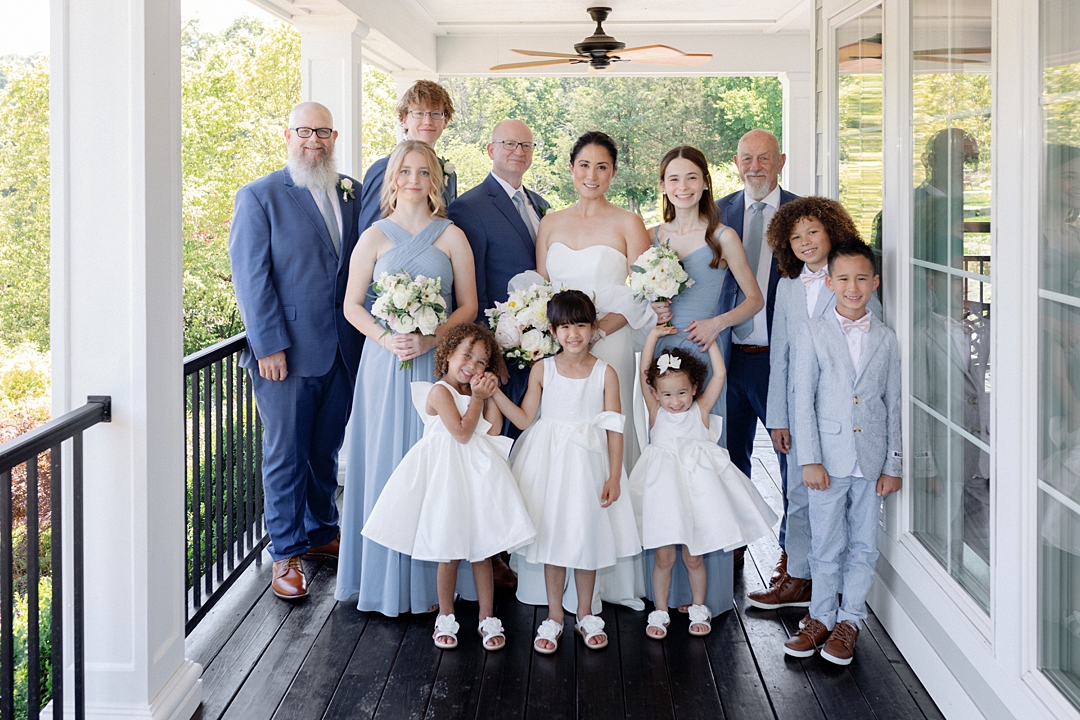
Larger extended-family photographs are absolutely possible.
They simply need enough time to be realistic.
07
Buffer Time Is Part of the Photography Plan
Weddings run late.
Hair takes longer. Someone forgets the rings upstairs. Transportation gets stuck behind traffic. The elevator stops on every floor.
I plan for some version of this.
A strong wedding photography timeline has enough flexibility that one small delay does not make the entire afternoon feel frantic.
If portraits begin late, I am already thinking about where we can adjust.
We might change the order, shorten a less important stop, keep everything at one location, or move something later when the light is better anyway.
I am watching the clock while I photograph, directing people when needed, communicating with your planner, and keeping us moving toward whatever happens next.
You should not be the person doing that math.
THE POINT
You should know where to be.
You should not have to manage it.
08
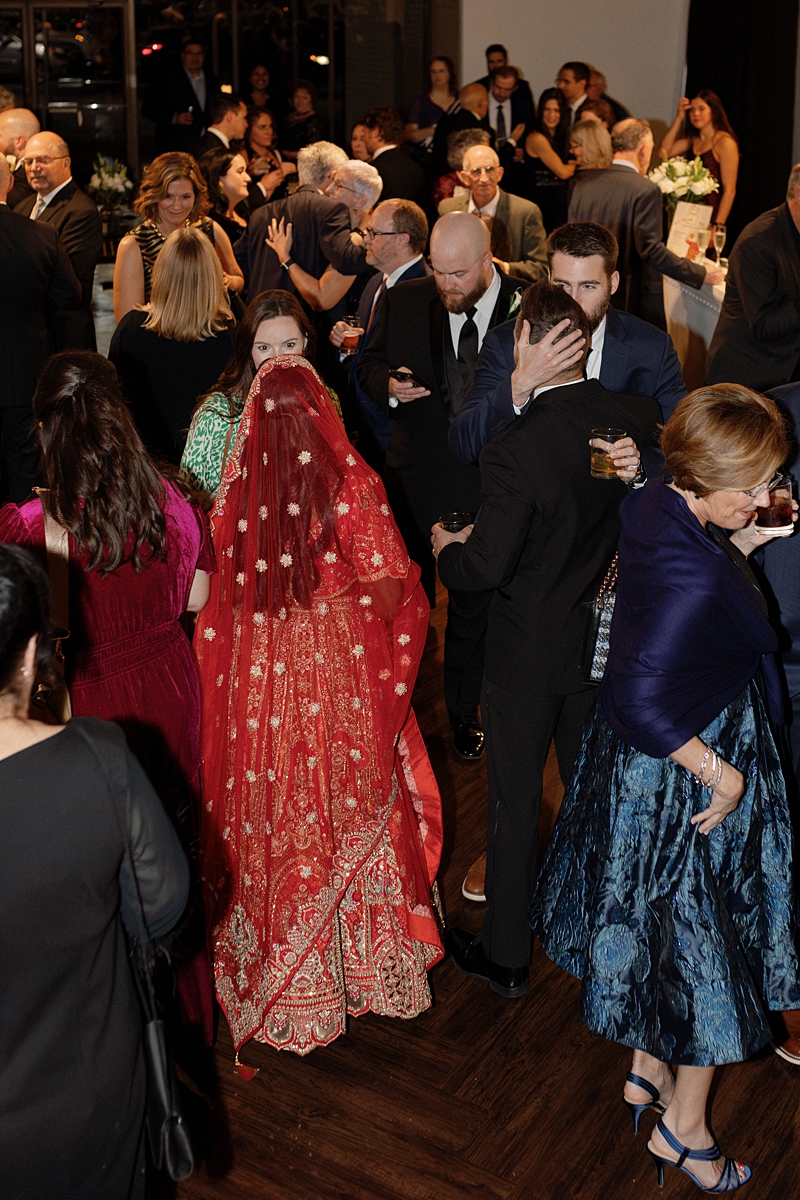
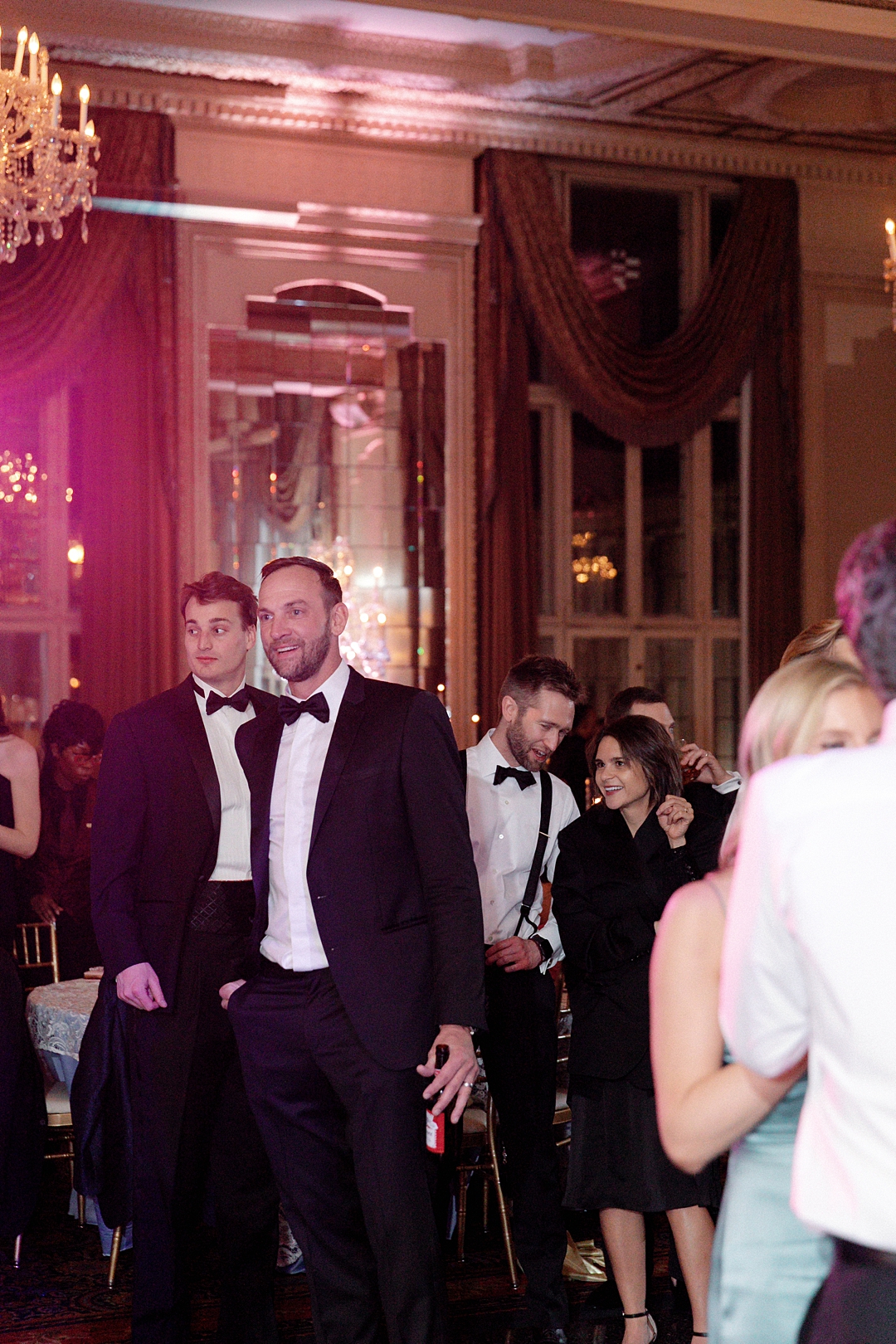
What If You Want to Attend Cocktail Hour?
Tell me.
This changes the plan.
If walking into cocktail hour, grabbing a drink, and seeing everyone you invited matters to you, I want to protect room for it.
We might do a first look.
Family photographs could happen earlier.
Maybe we choose one portrait location instead of spending the afternoon moving around St. Louis.
There are usually several ways to create more space.
Photography should preserve the wedding you wanted to have, not quietly remove you from it.
09
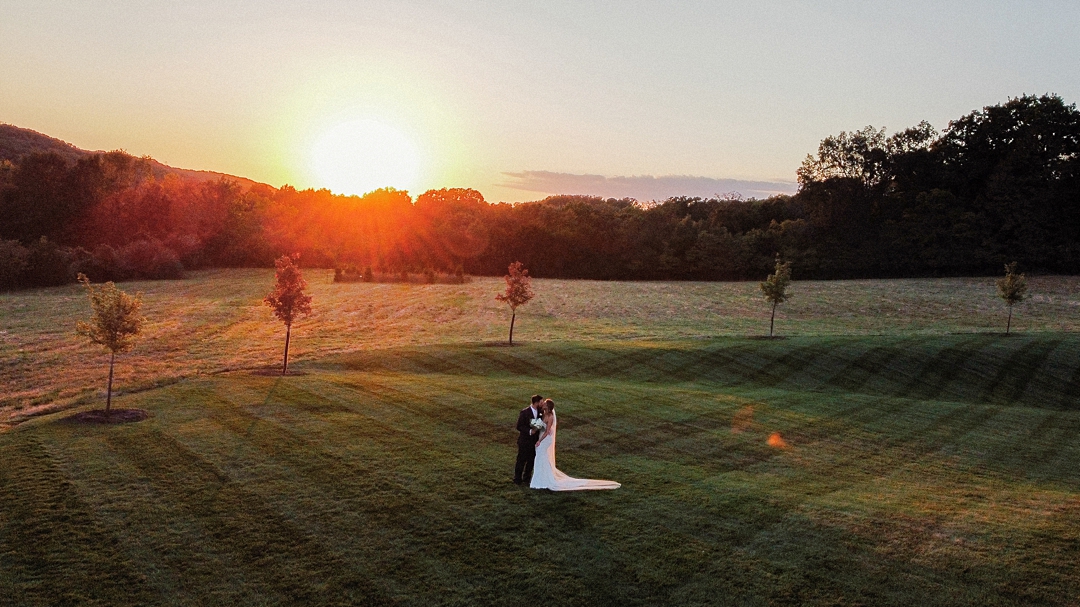
Sunset Portraits Need More Than Sunset
The light might only be perfect for a short window.
That does not mean I can walk over to the two of you and instantly begin.
You may be eating dinner, talking to guests, listening to a toast, or on the other side of the venue.
I have to get you away at a moment that does not interrupt something important, move us to the right spot, photograph quickly, and get you back.
This is why I generally protect around fifteen to thirty minutes even when the actual portrait portion is much shorter.
When it works, those few minutes can give the gallery a completely different kind of light without taking you away for half the evening.
10
Your Photographer Should Be Thinking Ahead
The camera is only one part of what I am carrying mentally throughout a wedding.
I know what we planned, what we finished, what still needs to happen, where the light is going, how long we have until the next event, and which photographs cannot be recreated later.
When portraits need direction, I give it.
When we need to move, I move us.
If the schedule changes, I adjust.
When everything is working, I stop managing and pay attention to what is happening around you.
That balance is a huge part of my job.
THE TAKEAWAY
A Good Timeline Gives You More of Your Wedding Back
Your wedding photography timeline should create enough room for strong photographs without making the celebration revolve around creating them.
This starts long before I arrive with a camera.
I help plan locations, travel, getting-ready coverage, family combinations, portrait time, transportation, room details, and evening light around the wedding you are actually having.
During the day, I direct, watch the clock, keep people moving, adjust when plans change, and work with your planner and vendor team.
The point of knowing all of this is not to control every minute.
It is so you do not have to.
Once the plan is working, I can pay attention to the people, reactions, design, movement, and everything happening that nobody could have scheduled.
For additional planning context, explore Zola's wedding planning resources .
THE PHOTOGRAPHS
See How a Wedding Story Comes Together
Explore weddings photographed across the day, from getting ready and portraits through family, ceremony, design, guests, and the reception.
VIEW WEDDINGSFANARA PHOTOGRAPHY
You Do Not Need the Timeline Figured Out Yet
Send me your date, venue, ceremony time, and what you know so far. Once I understand how your wedding is taking shape, I can help build the photography plan around it.