Wedding Reception Lighting: Better Photos After Dark
WEDDING PLANNING / THE FANARA EDIT
Wedding Reception Lighting: What Actually Looks Good in Photos?
Candlelight, direct flash, colored uplighting, and what changes once the sun goes down.

You spent months thinking about the room.
The flowers. The tables. The chandeliers. Maybe a hundred candles and a few lamps that look like they belong in a really good restaurant.
Then the sun goes down.
Suddenly, the lighting is doing just as much work as the design.
That is where wedding reception lighting becomes part of how the entire space photographs.
Your reception can stay dark, warm, and dramatic while the people inside it still photograph beautifully.
A few thoughtful decisions can make the room, the faces, and the atmosphere work together from dinner through the dance floor.
01
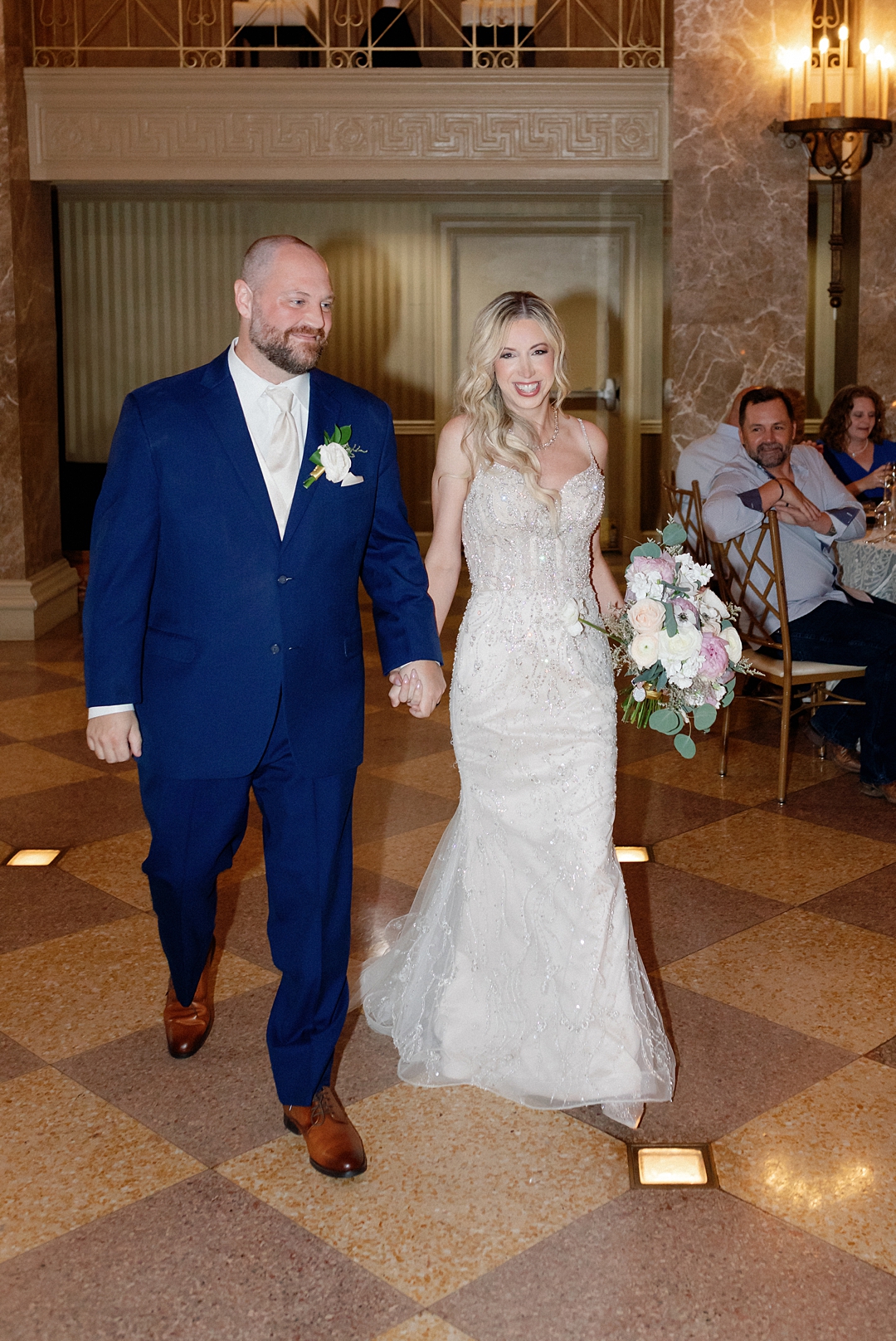
Let the Lighting Change With the Reception
Dinner, speeches, first dances, and an open dance floor each have a completely different energy.
The lighting can evolve with them.
Candlelight works beautifully while everyone is eating. Speeches benefit from flattering light on faces. Later, stronger color, shadows, and flash can make the dance floor feel even more alive.
Let each part of the evening have its own look.

02
Candles Create Atmosphere. Layered Light Brings the Room Together.
A candlelit wedding reception can look incredible.
Glassware catches the glow. Florals gain depth. Tables feel warmer once daylight fades.
Candles are strongest when they are part of a layered plan.
Chandeliers, lamps, pin spots, and other fixtures can support the design while keeping the room dimensional.
If your venue requires flameless candles
They can still look beautiful.
Warm wax-like styles inside glass tend to blend into a reception much more naturally than cool-white LEDs with exposed plastic flames.
03
Color Looks Best When It Has the Right Job
Wedding reception lighting works best when the color supports the part of the evening happening in that moment.
Blue, purple, red, and green can look incredible across columns, draping, ceilings, and the dance floor.
Formal moments usually photograph best when skin has cleaner, more natural light.
After speeches and first dances, saturated color can take over and give the party a completely different look.
Can the lighting shift for introductions, speeches, formal dances, and open dancing?
04
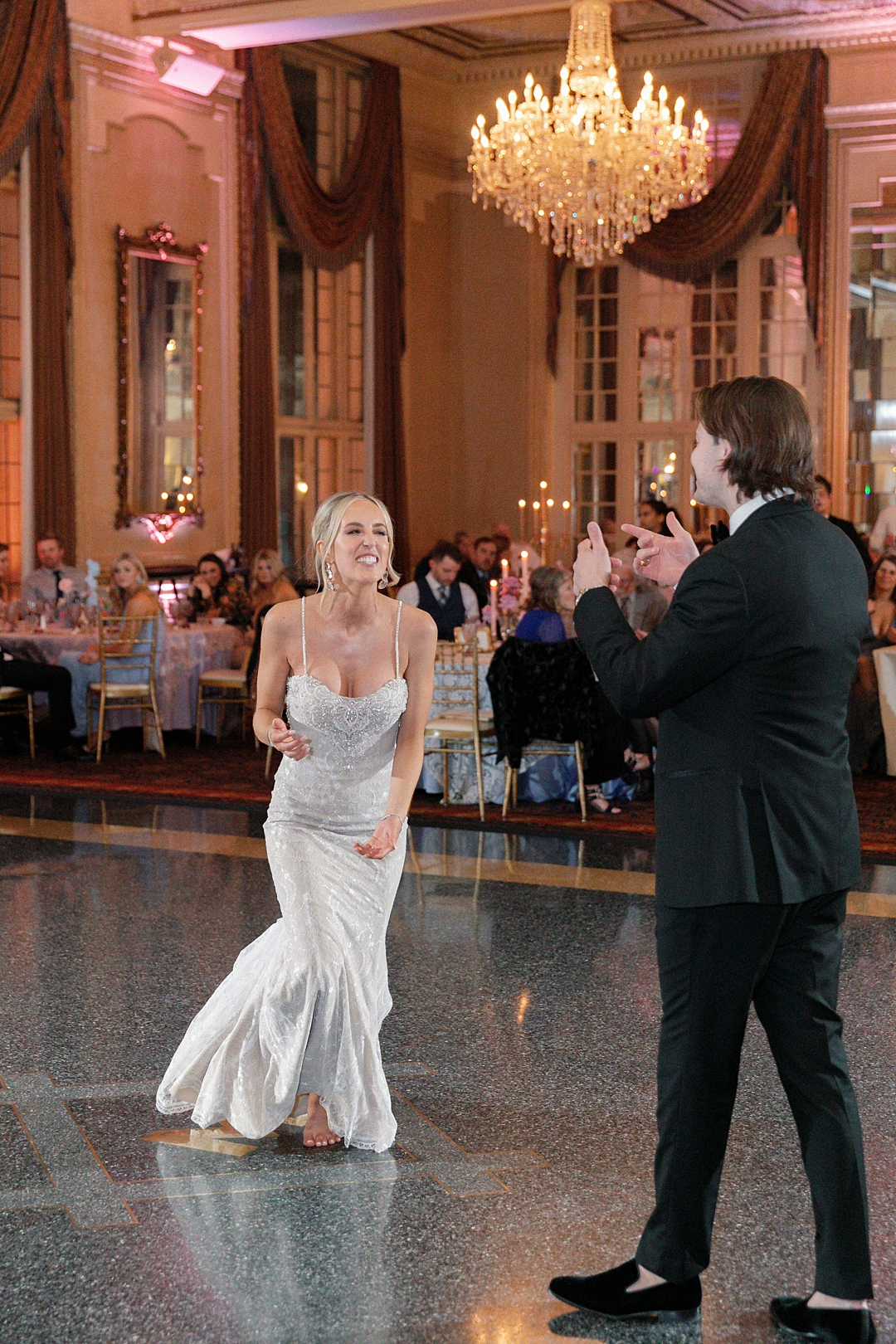
Give the Toast a Great Position
Where someone stands during a toast can completely change the photographs.
Depending on the room, having the maid of honor, best man, or parent stand near or slightly behind you can work beautifully.
That placement can keep the speaker and your reactions within the same visual area.
It also gives two photographers stronger angles and cleaner backgrounds.
I normally look at this with the planner and DJ before speeches begin so the position works for the room, the experience, and the photographs.
05
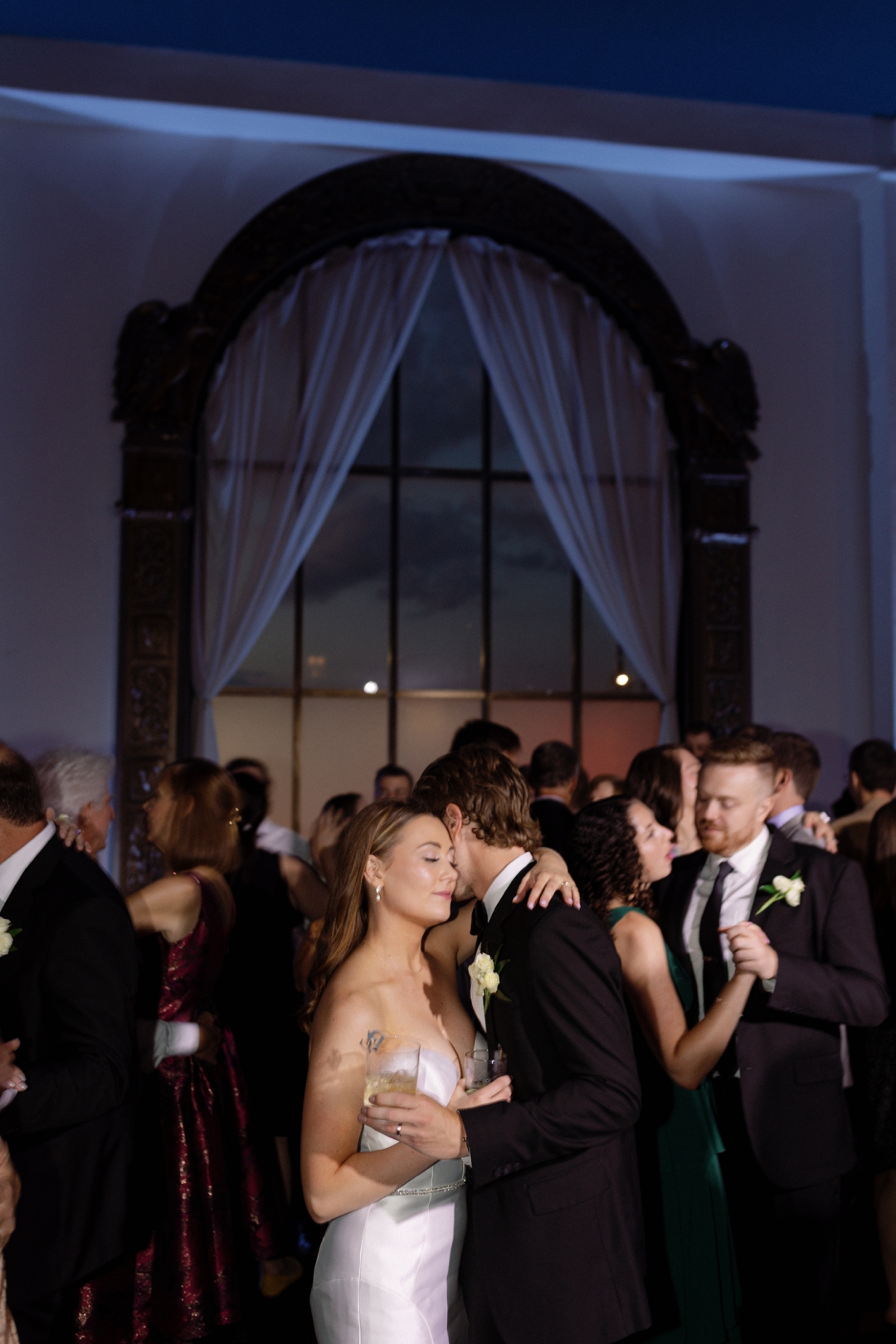
Direct Flash Can Look So Good in a Dark Room
Direct flash can give skin a clean, crisp look even when DJ lighting covers the room in blue, purple, or red.
On the dance floor, that look can be incredible.
Sharp faces. Dark backgrounds. Strong contrast.
Speeches call for a softer approach.
Good speaker placement and usable room light create more flexibility, so the photography can stay quieter while everyone focuses on the person speaking.
Once open dancing starts, direct flash, movement, and slower shutter speeds can become part of the energy.

06
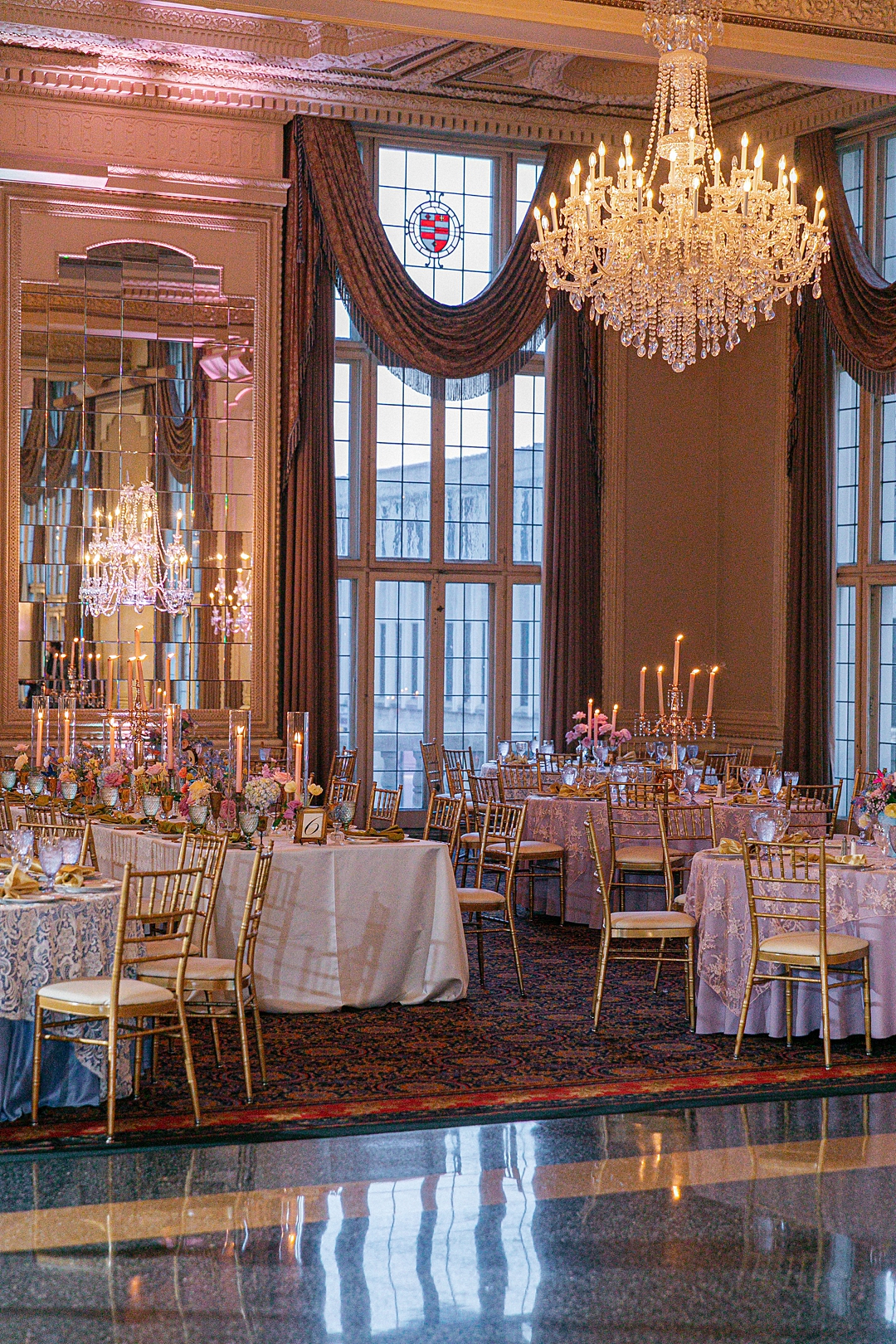
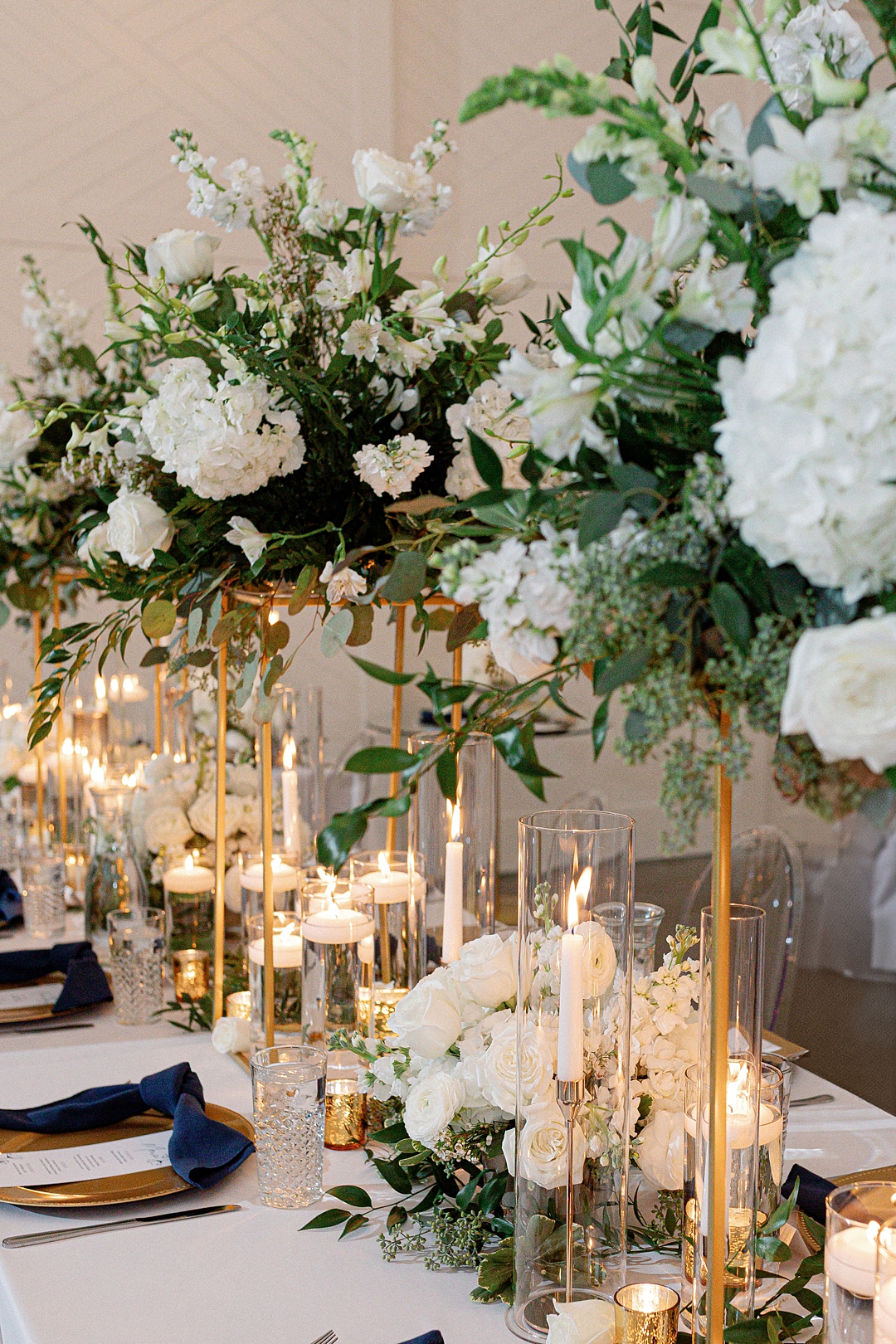
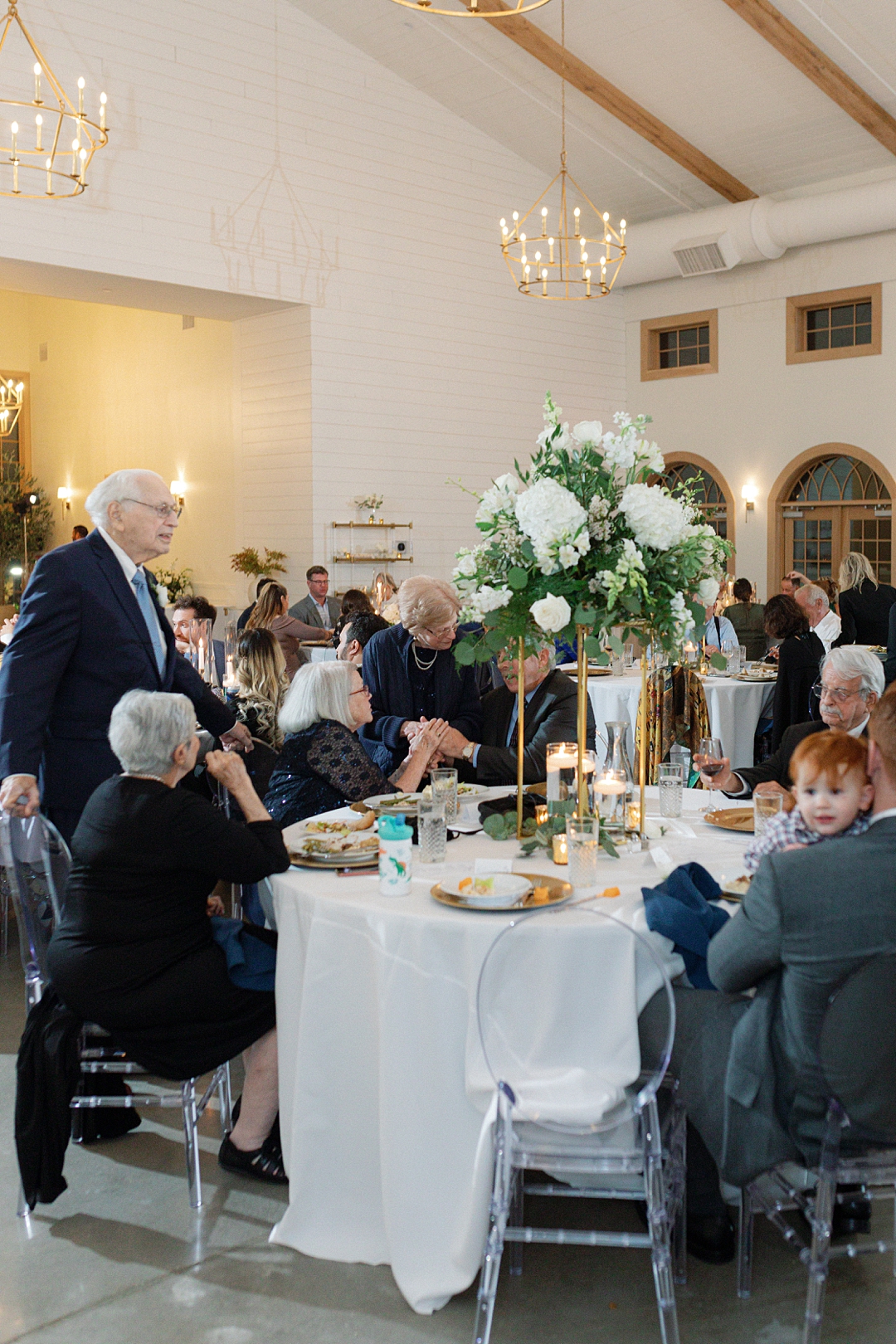
The Same Reception Can Look Completely Different Two Hours Later
Reception detail photographs change with the time of day.
A bright venue may look clean and neutral while daylight is coming through the windows.
Later, candles become more noticeable. Chandeliers feel warmer. Colored fixtures may tint the walls and ceiling.
Both versions can be beautiful.
Together, they show how the design changed as the evening unfolded.
Knowing when the room is finished, when candles are lit, when guests enter, and when the venue dims its lights.
SAME VENUE / DIFFERENT LIGHT
Timing Changes the Whole Room


07
A Few Details That Make Everything Easier
Choose a strong spot for speeches.
The speaker, couple, background, and room can all work together.
Plan lighting changes with the DJ.
Clean tones can flatter faces during formal moments, while richer color can take over later.
Build in a few minutes for the finished room.
That window gives the design its own photographs before guests arrive.
Think about sunset.
Windows, candles, chandeliers, uplighting, and DJ fixtures all change as natural light fades.
Know the venue's lighting rules.
Candle requirements and fixture restrictions can shape the design early in the planning process.
These are the kinds of details I can work through with your planner, DJ, venue, and vendor team so everything is ready before the reception begins.
WHY IT MATTERS
Reception Design Is Getting More Layered
Current wedding design is leaning toward interiors with more personality: table lamps, layered candlelight, textured fabrics, custom tables, and spaces built around atmosphere.
That direction photographs beautifully.
It also makes the relationship between light, color, architecture, and people even more important.
Read The Knot's wedding trend research for more design context.
THE TAKEAWAY
Keep the Atmosphere You Planned
Keep the candlelight.
Let the dance floor change color later.
Choose warm flameless candles when the venue calls for them.
Give the toast a position that keeps the speaker and your reactions connected.
Save a few minutes for the finished room before guests enter.
Great wedding reception lighting supports the design, flatters the people inside it, and changes naturally as the night unfolds.
GOOD TO KNOW
Wedding Reception Lighting Questions
How can flameless candles photograph naturally?
Real candle light is always best but warm wax-like candles inside glass can be a good alternitive. Softer amber tones usually feel more natural than cool-white LEDs.
How does the time of day change reception detail photos?
Daylight can keep a room bright and neutral. As evening arrives, candles, chandeliers, and interior fixtures become more prominent.
Where should someone stand for a wedding toast?
The best position depends on the room. When the layout allows it, placing the speaker near or slightly behind the couple can create strong photographs of both the toast and the reactions.
Why does direct flash work so well at dark receptions?
Direct flash can create clean skin tones, strong contrast, and separation from colored ambient light. It works especially well once the dance floor becomes more energetic.
THE PHOTOGRAPHS
See What Reception Lighting Looks Like in Real Weddings
Explore weddings with candlelight, architecture, speeches, reception design, guests, and dance floors.
VIEW WEDDINGSFANARA PHOTOGRAPHY
Bring Me the Reception You Have in Mind
Tell me about your venue, the design, and what you're planning for the evening.
From there, we can shape the photography plan around the room, the timeline, and everything you want to experience.